The Advantages of Utilizing a Diagnostic Repair Service for Your Vehicle
The advantages of employing a diagnostic repair service for a car are substantial and wide-ranging. Such services improve safety and performance while keeping minor faults from developing into costly repairs. By spotting potential problems ahead of time, they help maintain the car's dependability and fuel economy. Despite this, numerous drivers disregard the value of routine diagnostic checks. Understanding what these services offer can lead to more informed decisions about automobile care and extended lifespan. What factors should one consider when deciding on an automotive diagnostic provider?
The Importance of Diagnostic Repair Services
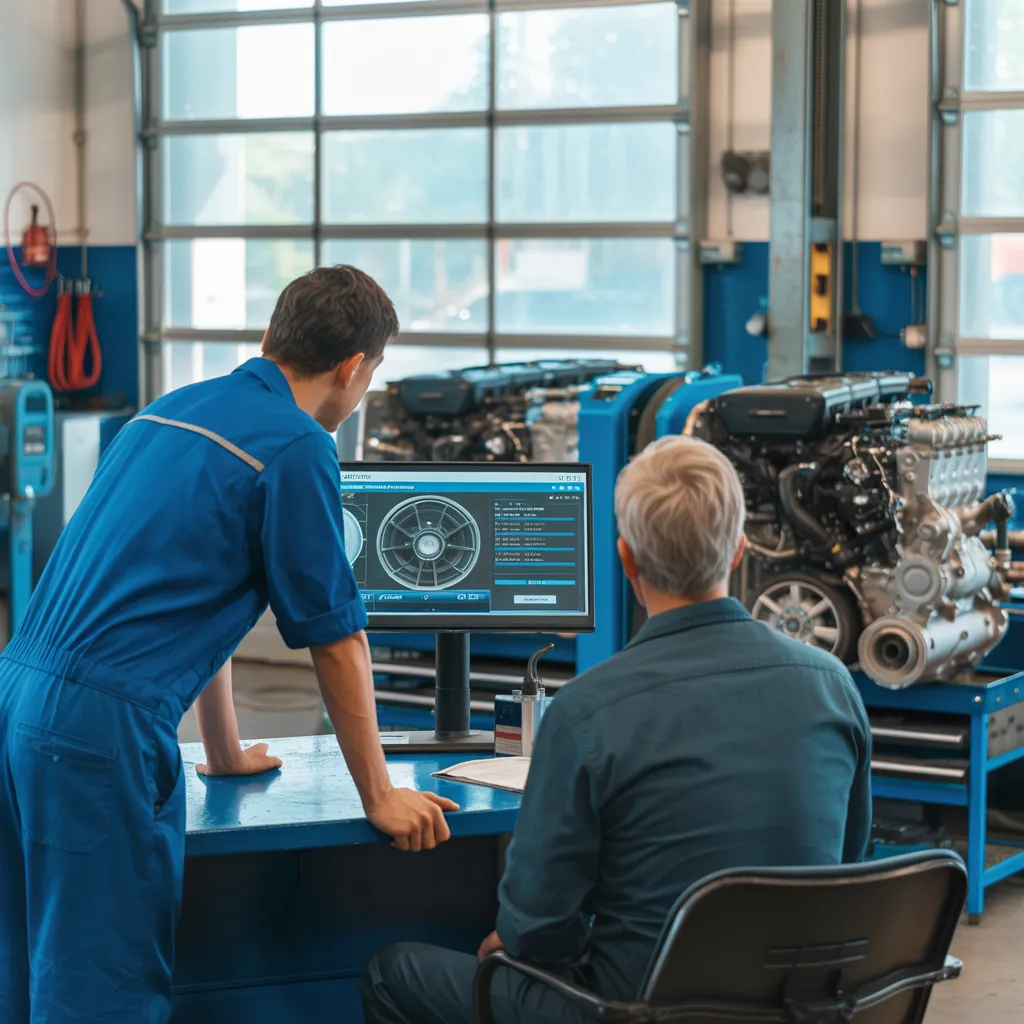
Diagnostic repair services play an essential role in preserving vehicle performance and safety. These services make use of cutting-edge technology and specialized equipment to examine a vehicle's systems, pinpointing potential issues before they grow into significant complications. By performing detailed diagnostic assessments, technicians can pinpoint malfunctions in critical components such as the engine, drivetrain, and electrical systems.
This preventative strategy not only improves the durability of the vehicle but also secures maximum fuel efficiency and performance. Additionally, diagnostic services help in adhering to safety regulations, reducing the risk of accidents caused by mechanical find now failures. Routine diagnostics support well-informed choices concerning repairs and upkeep, potentially sparing owners considerable expenses over time. At its core, the significance of diagnostic repair services stems from their ability to offer peace of mind, confirming that vehicles perform reliably and safely on the road.
Common Vehicle Issues Diagnosed Effectively
Many vehicle owners face a variety of frequent concerns which can be properly assessed through dedicated diagnostic services. Such problems commonly involve electrical system malfunctions, engine problems, and transmission difficulties. To illustrate this, an engine may exhibit unusual noises or decreased performance, necessitating a comprehensive inspection. Transmission issues might manifest as slipping gears or rough shifts, which can be identified through diagnostic assessments.
In addition, warning lights on the dashboard can highlight a range of concerns, from minor to severe, indicating the necessity of urgent action. Braking issues, such as squealing or diminished responsiveness, also demand thorough diagnosis to guarantee safety. By employing professional diagnostic services, drivers can detect these concerns promptly, avoiding additional damage and expensive repairs. Ultimately, acknowledging and tackling these common vehicle problems through professional diagnostic services promotes both the longevity of the vehicle and driver safety.
How Diagnostic Tools Detect Vehicle Problems Precisely
Diagnostic tools utilize cutting-edge technology to identify vehicle problems with exceptional precision. By utilizing real-time data processing, these tools can evaluate multiple systems throughout the vehicle, offering real-time feedback on functionality and possible issues. This accuracy improves the effectiveness of repair operations, ultimately contributing to improved vehicle care.
Sophisticated Technology Integration
As modern vehicles continue to advance in complexity, the incorporation of sophisticated diagnostic tools has transformed how problems are detected and resolved. Contemporary diagnostic systems employ advanced software and hardware to examine a vehicle's electronic parts, empowering technicians to locate faults with impressive accuracy. These tools can read error codes, monitor sensor data, and even perform system checks in real time. By transforming detailed vehicle data into easily understood information, they work to minimize guesswork and decrease the time needed for repairs. Furthermore, the application of advanced technology ensures that technicians remain informed about the newest vehicle models and their unique needs. Such precision not only increases the efficiency of repair work but also strengthens overall vehicle safety and performance, establishing diagnostic repair services as an invaluable necessity.
Instant Data Analysis
Utilizing real-time data processing, contemporary diagnostic equipment precisely pinpoint automotive problems with exactness. Such systems gather and analyze information from multiple sensors throughout the vehicle, enabling mechanics to pinpoint malfunctions quickly. By evaluating key indicators such as engine performance, fuel efficiency, and emission levels, mechanics can uncover hidden issues that might go undetected in a standard inspection. This preventative strategy facilitates early responses, reducing the risk of more extensive damage and costly repairs. In addition, instant data can enhance interaction between the mechanic and the vehicle owner, maintaining openness about detected faults and proposed fixes. Altogether, employing real-time data processing significantly improves the accuracy and efficiency of vehicle diagnostics.
Why Do Experienced Technicians Matter in Diagnostics?
Seasoned technicians play an essential role in vehicle diagnostics due to their advanced technical knowledge. Their skills provide for effective issue identification, decreasing downtime for automobile owners. Moreover, proficient technicians improve repair precision, making certain that repairs are completed correctly from the start.
Advanced Technical Knowledge
Technical knowledge serves a fundamental purpose in how well vehicle diagnostics perform. Skilled technicians have a comprehensive knowledge of automotive systems, allowing them to accurately interpret complex data gathered from diagnostic tools. Their thorough training equips them to identify patterns and irregularities that less skilled individuals may miss. This in-depth expertise ensures technicians can accurately separate minor faults from serious complications, leading to more accurate diagnoses. Furthermore, experienced professionals are typically well-versed in the most recent technological developments, which are essential in contemporary vehicles. Their commitment to keeping pace with industry changes improves their diagnostic proficiency, making them invaluable in identifying underlying issues swiftly and effectively. Consequently, their proficiency leads to higher quality and more efficient automotive repairs.
Efficient Problem Identification
Exact issue identification is fundamental in vehicle diagnostics, and the expertise of experienced technicians greatly improves this process. Skilled technicians possess a thorough knowledge of various vehicle systems, allowing them to rapidly identify issues that may elude less knowledgeable mechanics. Their proficiency with vehicle diagnostic instruments enables them to analyze data accurately, leading to quicker and more dependable conclusions. Additionally, experienced technicians can draw on past experiences to identify patterns in vehicle performance, facilitating quick pinpointing of persistent faults. This proficiency not only preserves time but also minimizes the risk of misdiagnosis, ensuring that the correct issues are addressed promptly. As a result, utilizing experienced technicians for vehicle diagnostics translates into better overall vehicle performance and lifespan.
Superior Repair Exactness
Reaching superior repair accuracy depends on the skill of automotive specialists who possess a vast understanding in automotive diagnostics. Experienced technicians are well-versed in the nuances of various vehicle systems, enabling them to identify problems accurately. Their thorough preparation and real-world knowledge allow them to utilize advanced diagnostic tools effectively, ensuring that issues are accurately detected on the first attempt. This decreases the risk of misdiagnoses and unnecessary repairs, ultimately saving time and money for vehicle owners. Furthermore, their understanding of factory guidelines ensures that maintenance is carried out with maximum precision. Essentially, the competence of experienced mechanics is essential for reaching reliable diagnostic conclusions, leading to greater vehicle dependability and extended lifespan.
Cost-Saving Benefits of Early Diagnostic Repair Services
Early vehicle diagnostic services offer vehicle owners significant cost-saving advantages. Tackling issues at an early stage can keep minor faults from turning into major mechanical failures, which often result in greater labor and component expenses. By diagnosing and addressing issues promptly, vehicle owners can extend the lifespan of their vehicles, decreasing the occurrence of high-cost repairs and component replacements.
Furthermore, early diagnostic checks play a key role in enhancing vehicle performance, resulting in better fuel efficiency. A well-maintained vehicle is less likely to suffer from unexpected breakdowns, sparing owners the cost of roadside assistance and towing fees. Additionally, routine diagnostic checks are capable of identifying underlying problems that are not always obvious, enabling proactive action to be taken before these issues escalate.
At the end of the day, investing in preventative diagnostic solutions not only protects the overall health of a vehicle but also boosts lasting financial benefits, making it a smart investment for diligent vehicle owners.
Understanding Signs That Suggest the Need for Diagnostic Services
Vehicle owners need to stay alert in detecting symptoms that suggest the need for diagnostic inspections. Unusual noises, such as knocking or grinding noises, can indicate underlying mechanical concerns that require immediate attention. Additionally, warning lights on the dashboard, particularly the check engine light, ought never to be overlooked, as they frequently signal underlying mechanical issues.
Shifts in vehicle behavior, including decreased acceleration or difficulty starting, might also signal the necessity of a diagnostic check. Inconsistent fuel economy can indicate engine or fuel system issues that would respond well to timely attention.
Additionally, ongoing vibrations or handling problems can point to alignment or suspension problems. By paying close attention to these indicators, car owners can actively pursue diagnostic evaluations, guaranteeing their vehicles stay reliable and secure while potentially reducing the cost of major repairs over time.
Commonly Asked Questions
How Often Should My Vehicle Be Diagnosed?
A vehicle should usually be diagnosed once a year or whenever warning lights appear. Consistent vehicle diagnostics help uncover hidden faults in advance, ensuring maximum efficiency and preventing costly repairs, ultimately increasing the longevity of the vehicle and enhancing safety.
Is It Possible to Run Diagnostics on My Own at Home?
Certainly, one can conduct diagnostics at home by utilizing affordable OBD-II scan tools. However, though simple problems could be diagnosed, more complex issues usually demand professional expertise to ensure a thorough diagnosis and reliable repair options.
Which Types of Vehicles Gain the Most From Diagnostic Services?
High-end cars, hybrid models, and vehicles equipped with advanced technology gain the greatest advantage from professional diagnostic services. Their complex electronics require specialized tools and expertise, ensuring accurate problem identification and efficient repairs to preserve optimal performance levels and vehicle safety.
Are Warranty Protections Applicable to Diagnostic Repairs?
Diagnostic repair services could be included under warranty coverage, based on the particular terms and conditions outlined in the warranty. Car owners are encouraged to examine their warranty documents or speak with their provider to determine coverage details for such services.
How Long Can You Expect a Typical Diagnostic Service to Last?
A typical diagnostic service generally takes between one to two hours, based on the vehicle's complexity and the particular problems being examined. Aspects including technician experience and diagnostic equipment play a role in determining the duration of the service.
Strengthen